

low e coatings
The Importance of Right Angles in Measurement A Focus on the Ruler In the world of geometry, few concepts are as fundamental as the right angle. Defined as an angle of exactly 90 degrees, the right angle serves as a cornerstone for various fields, including architecture, engineering, and design. When we integrate this concept with traditional measuring tools, such as a ruler, we find a powerful instrument that has shaped our understanding of space and structure. A ruler is one of the most ubiquitous measuring devices. Typically a flat, elongated strip marked with units of measurement, it is an essential tool used in both educational settings and professional environments. Its primary function is to provide accurate measurements, but when it comes to the right angle, a ruler takes on an additional role as a guide for drawing, aligning, and constructing designs. Rulers that come equipped with a right-angle feature, commonly known as a T-square or a right-angle ruler, are particularly valuable. These tools have an arm that extends to form a precise 90-degree angle with the main body of the ruler. This feature is crucial for ensuring that lines and edges are straight and true . For example, in architectural design, the act of creating blueprints necessitates an exact understanding of angles. Using a ruler with a right-angle feature allows architects to form perfect corners, which dictate the overall integrity and aesthetic appeal of a structure. ruler with right angle In woodworking, the importance of right angles becomes even more pronounced. A woodworker relies on the precision of measurements to create joints that fit seamlessly together. Any deviation from a right angle can lead to defects, wasted materials, and project delays. Many woodworkers utilize square rulers, which provide immediate visual confirmation of right angles. When used alongside a standard ruler, this combination allows for the meticulous crafting of furniture and other wooden constructs. Moreover, the use of right-angle rulers extends beyond the realms of construction and design. In mathematics, the concept of a right angle plays a vital role in trigonometry and the Pythagorean theorem. By studying right triangles—triangles that contain a right angle—students can explore the relationship between the lengths of the sides and their angles. This mathematical exploration often utilizes rulers to draw triangles accurately, ensuring the sides align perfectly to form the right angles. In digital design, the relevance of right angles remains significant. Graphic designers often use software that replicates the functionalities of a ruler, allowing them to create precise layouts for websites, posters, and advertisements. The right angle ensures that elements are properly aligned, contributing to a visually pleasing and accessible design. Simultaneously, the digital realm introduces the concept of grids, where squares and rectangles embody right angles, further demonstrating their ubiquity in both real and virtual environments. In conclusion, the ruler serves as more than just a tool for measuring length; it is a vital element in ensuring precision and accuracy, especially when dealing with right angles. Whether in building, woodworking, mathematics, or digital design, the significance of right angles is undeniable. Their enduring presence across various fields highlights the importance of mathematical concepts in shaping our interaction with the world. The humble ruler, enhanced with the right-angle feature, remains an indispensable guide as we strive for accuracy and precision in our creations.
about
low e coatings
Understanding Hole Gauges Essential Tools for Precision Measurement In the realm of manufacturing and engineering, precision is paramount. One of the crucial instruments that facilitate accurate measurement of hole diameters is the hole gauge. This tool not only ensures the integrity of components but also helps in maintaining quality control across various industrial processes. A hole gauge, also known as a hole gauge set or plug gauge, is designed to measure the diameter and alignment of cylindrical holes. These gauges come in various forms, including dial hole gauges, slip gauges, and electronic gauges. Each type serves specific purposes based on the requirements of the job at hand. Types of Hole Gauges 1. Dial Hole Gauges These gauges are equipped with a dial indicator that provides a clear reading of the hole size. They are especially useful for larger holes or when a high level of accuracy is required. The design allows for easy visibility and direct readings, making them a popular choice among machinists. 2. Slip Gauges Also referred to as gauge blocks, these are precision ground steel blocks that come in various thicknesses. Slip gauges are typically used in conjunction with other measurement devices. Their versatility makes them essential in calibration processes. hole gauges 3. Electronic Gauges With advancements in technology, electronic hole gauges have emerged. These are equipped with digital displays that can provide measurements in various units. They often include features such as data capture, which allows for easier analysis and record-keeping. Importance of Hole Gauges The primary function of hole gauges is to verify that holes are within specified tolerances. Tolerances are critical in engineering because even minor deviations can have significant impacts on the assembly and functionality of mechanical components. Hole gauges help in minimizing errors, ensuring that parts fit together correctly and operate efficiently. Using hole gauges effectively requires a fundamental understanding of measuring techniques. It is essential to measure at multiple points around the hole to account for any irregularities. Furthermore, consistent maintenance and calibration of the gauges themselves are necessary to ensure accuracy. Conclusion In conclusion, hole gauges are indispensable tools in the world of manufacturing and quality control. Their ability to provide precise measurements plays a vital role in the production of high-quality components. Understanding the different types of hole gauges and their applications can greatly enhance productivity and ensure that industries continue to meet the rigorous standards of precision that modern engineering demands. Whether in automotive manufacturing, aerospace, or any field that relies on precision engineering, hole gauges remain at the forefront of quality assurance processes.
-

High quality industrial productsagement

High quality industrial products
View Details -

Meet the diverse needs of customers

Meet the diverse needs of customers
View Details -

Strict quality control

Strict quality control
View Details -

Top raw materials

Top raw materials
View Details -

Trusted supplier

Trusted supplier
View Details
Our application


news and information
Wählen Sie Schnappmesser
Der Dial-Snap-Gauge ist ein essenzielles Werkzeug in der Welt der Messtechnik und Qualitätssicherung
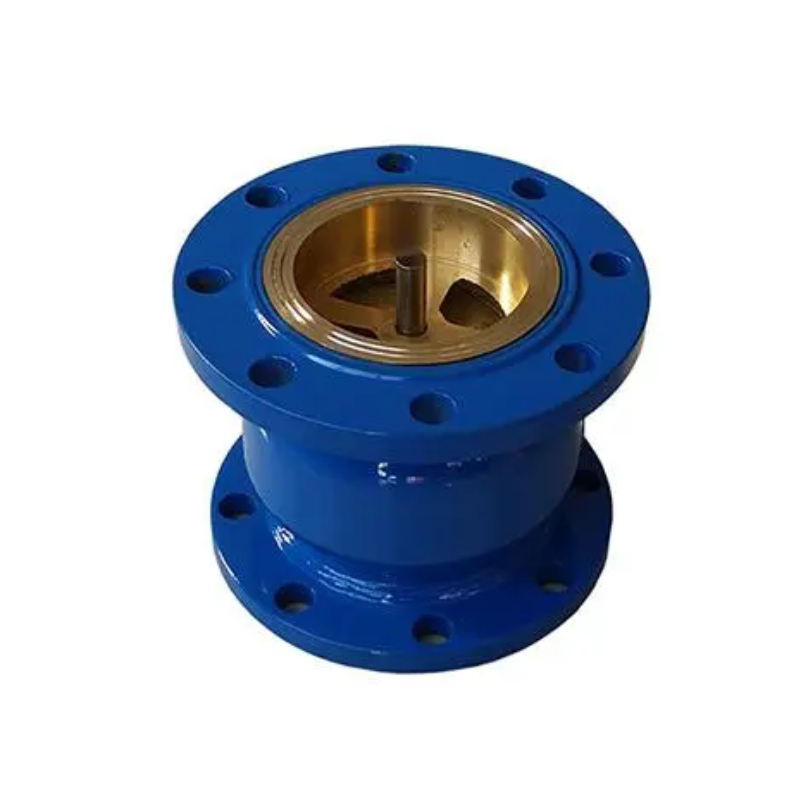
Valve manufacturing plant creating innovative products for industrial applications.
Valve Factory The Heart of the Manufacturing Process Valve factories play a crucial role in the man
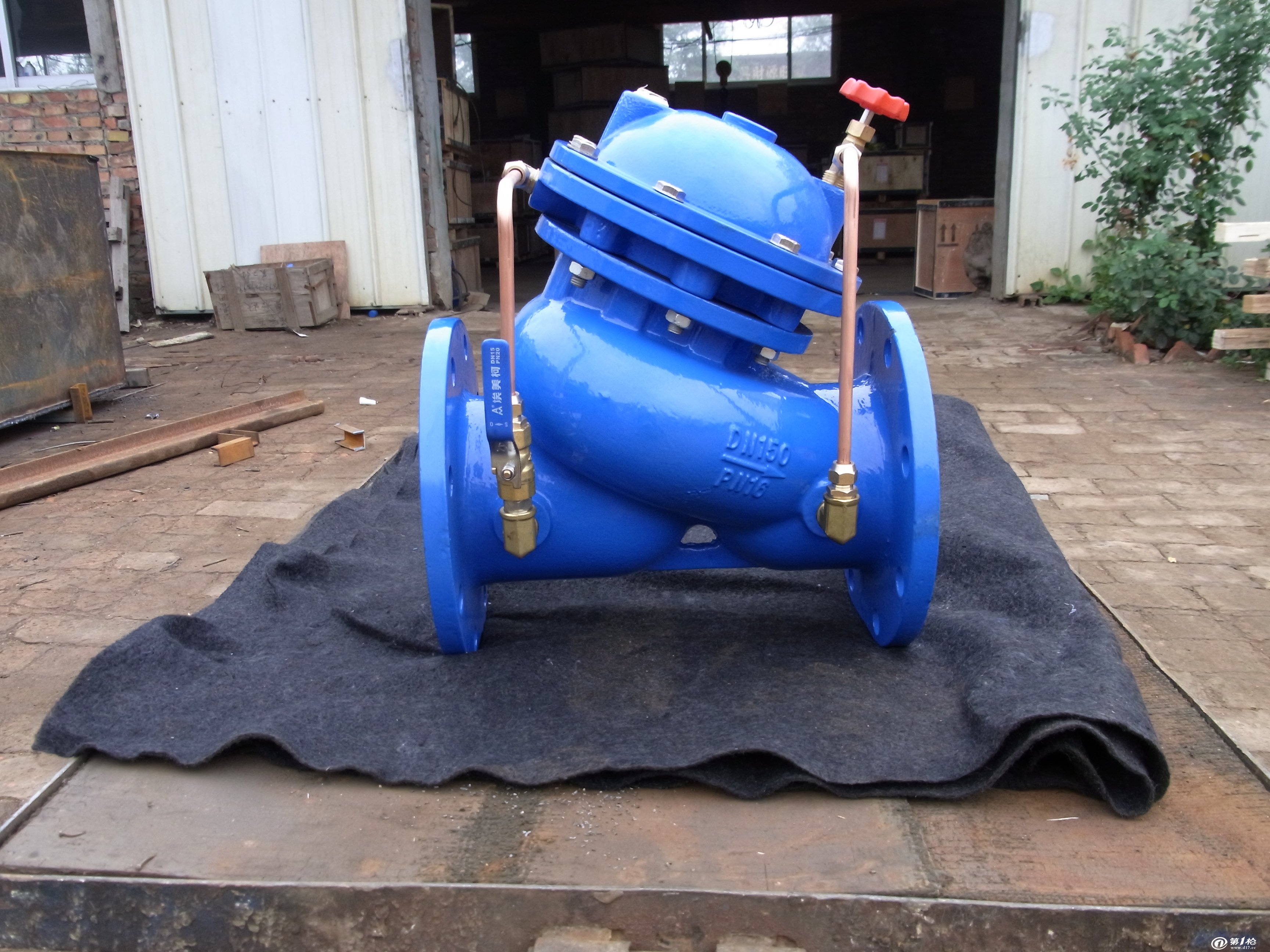
What Are the Three Types of Control Valves_
Control valves play a crucial role in various industrial processes, regulating the flow of fluids to
 English